Navy ROTC and veteran-friendly campus earn a national salute
October 8, 2024

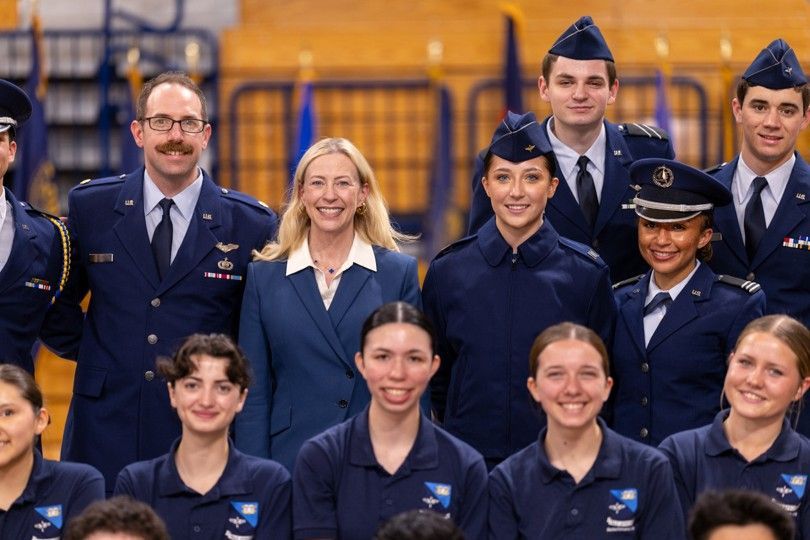
Yale senior Emily Quisenberry steps lively from her room in Grace Hopper College to meet friends outside Sterling Memorial Library on a bright Friday afternoon. She’s got all the gear she needs to greet the rest of her day on campus: cell phone, laptop, backpack — and military fatigues.
Quisenberry’s buddies, more than two dozen of them, also are dressed in camo. As they grab their packs and head to Sudler Hall for their weekly Yale Naval ROTC military science lab, their uniformed presence barely draws notice from fellow students walking by or sitting at outdoor tables.

March 5, 2026
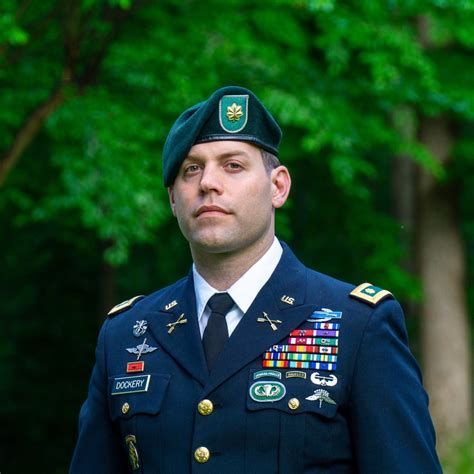
A U.S. Special Operations Command major who saved a comrade from being dragged away by enemy fighters in Afghanistan in 2012 has been authorized by the U.S. House and Senate to receive the nation’s highest combat valor award. A bill that would authorize the president to award the Medal of Honor to Maj. Nicholas Dockery received unanimous approval in the Senate Tuesday night after Sen Joni Ernst, R-Iowa, brought it up for a vote along with bills to award two other Medals of Honor.... Read more here

May 17, 2025
Every Thursday at 6:00 a.m., while most of campus is still asleep, I’m at Payne Whitney for physical training, known as PT. By 9:10, I’ve logged an hour-long workout and another 100 minutes of military training. Afterward, I stay in uniform all day — class to class, meeting to meeting. No skateboard. No jaywalking. No earbuds in. Most days, I’m just like any other student. But the moment the uniform goes on, I’m reminded — and so is everyone else — that I’m slightly different. This is the double identity ROTC cadets at Yale carry. On one hand, I’m a normal undergrad. But I’m also contracted to become a military officer. Yale celebrates academic freedom and encourages exploration; military training demands discipline and adherence to standards. We rarely talk about this tension explicitly. Only once a semester, we briefly review guidelines about balancing academic freedom with the responsibilities of wearing the uniform. Navigating these two worlds can be complicated, but it’s precisely this tension — this constant negotiation — that makes my time at Yale uniquely valuable.