Yale Air Force ROTC launches Tuskegee Airman Enoch Woodhouse II ’52 award

May 9, 2024

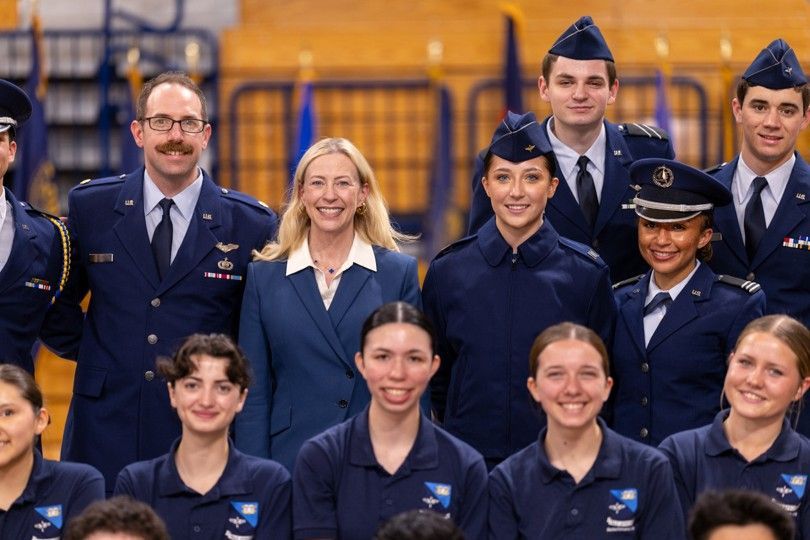
Every year the President’s Review at Yale draws a crowd. This annual campus event, held at the John Lee Amphitheater at the Payne Whitney Gymnasium, and organized by Yale’s Naval and Air Force Reserve Officers’ Training Corps (ROTC) units, features Navy midshipmen and Air Force (and Army) cadets in full dress uniform on parade in front of the Yale community, family members, dignitaries, and invited guests.


The recent 2024 President’s Review offered a special surprise. Among the honors conferred upon select cadets and midshipmen at the event was a newly-created Air Force ROTC award named after Yale alumnus and retired Brigadier General Enoch “Woody” Woodhouse II ’52, a World War II veteran and one of the last surviving members of the Tuskegee Airmen.


March 5, 2026
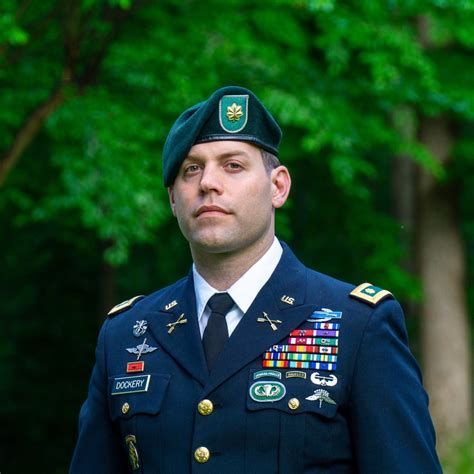
A U.S. Special Operations Command major who saved a comrade from being dragged away by enemy fighters in Afghanistan in 2012 has been authorized by the U.S. House and Senate to receive the nation’s highest combat valor award. A bill that would authorize the president to award the Medal of Honor to Maj. Nicholas Dockery received unanimous approval in the Senate Tuesday night after Sen Joni Ernst, R-Iowa, brought it up for a vote along with bills to award two other Medals of Honor.... Read more here
May 17, 2025
Every Thursday at 6:00 a.m., while most of campus is still asleep, I’m at Payne Whitney for physical training, known as PT. By 9:10, I’ve logged an hour-long workout and another 100 minutes of military training. Afterward, I stay in uniform all day — class to class, meeting to meeting. No skateboard. No jaywalking. No earbuds in. Most days, I’m just like any other student. But the moment the uniform goes on, I’m reminded — and so is everyone else — that I’m slightly different. This is the double identity ROTC cadets at Yale carry. On one hand, I’m a normal undergrad. But I’m also contracted to become a military officer. Yale celebrates academic freedom and encourages exploration; military training demands discipline and adherence to standards. We rarely talk about this tension explicitly. Only once a semester, we briefly review guidelines about balancing academic freedom with the responsibilities of wearing the uniform. Navigating these two worlds can be complicated, but it’s precisely this tension — this constant negotiation — that makes my time at Yale uniquely valuable.
SHOW MORE